
目录

1.Functionality:

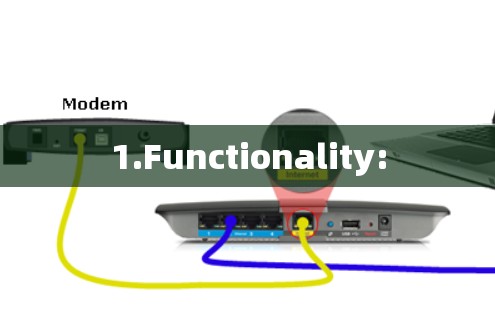
A VPN, or Virtual Private Network, is a tool designed to secure your internet connection by encrypting your data and using proxy servers to transfer traffic between your device and external servers. Here's a concise overview of how it works and some key considerations: Encryption: VPNs encrypt your data, making it inaccessible to third parties. Proxy Servers: These servers copy your traffic and send it to a different server you're not associated with, preserving your IP address. Tunneling: This refers to sending data through a virtual connection, enhancing speed and security. Types of VPNs: Public VPNs: Allow access to proxy servers accessible by anyone. Private VPNs: Only connect to your own computer's proxy server. User Profile Settings: Use a user profile to choose VPNs based on location or preferences, enhancing security and privacy. Choosing a VPN: Consider user profile settings and verify the company's reputation for security and reliability. Benefits: Protects your data from malware and phishing. Allows access to private networks if needed. Considerations: Privacy is a concern; use VPNs with caution. Check reviews and ensure the VPN is reputable. Explore different versions for features and security. Version and Cost: Newer versions often have improved features and security. Pricing varies, so cost-effectiveness may depend on usage needs. In conclusion, while a VPN offers a secure and convenient way to connect to external networks, it's essential to weigh privacy concerns and consider factors like cost and features. Always choose a reputable VPN service and ensure it suits your specific needs....

A VPN, or Virtual Private Network, is a tool designed to secure your internet connection by encrypting your data and using proxy servers to transfer traffic between your device and external servers. Here's a concise overview of how it works and some key considerations:

  • Encryption: VPNs encrypt your data, making it inaccessible to third parties.
  • Proxy Servers: These servers copy your traffic and send it to a different server you're not associated with, preserving your IP address.
  • Tunneling: This refers to sending data through a virtual connection, enhancing speed and security.
  1. Types of VPNs:

    • Public VPNs: Allow access to proxy servers accessible by anyone.
    • Private VPNs: Only connect to your own computer's proxy server.
  2. User Profile Settings:

    Use a user profile to choose VPNs based on location or preferences, enhancing security and privacy.

  3. Choosing a VPN:

    Consider user profile settings and verify the company's reputation for security and reliability.

  4. Benefits:

    • Protects your data from malware and phishing.
    • Allows access to private networks if needed.
  5. Considerations:

    • Privacy is a concern; use VPNs with caution.
    • Check reviews and ensure the VPN is reputable.
    • Explore different versions for features and security.
  6. Version and Cost:

    • Newer versions often have improved features and security.
    • Pricing varies, so cost-effectiveness may depend on usage needs.

In conclusion, while a VPN offers a secure and convenient way to connect to external networks, it's essential to weigh privacy concerns and consider factors like cost and features. Always choose a reputable VPN service and ensure it suits your specific needs.
1.Functionality:

扫描二维码推送至手机访问。

本文转载自互联网,如有侵权,联系删除。

本文链接:https://m.chaoshenapp.com/post/101.html

扫描二维码手机访问

文章目录